Sri Lanka Grapples with Complex Repatriation of Iranian Naval Personnel
In the wake of a tragic naval incident, Sri Lanka finds itself at the epicenter of a complex humanitarian and diplomatic challenge: the repatriation of Iranian Navy sailors. Following the alleged torpedoing of the IRIS Dena, an Iranian frigate, off the southern coast of Sri Lanka, the island nation has undertaken a monumental task involving rescue, medical care, forensic investigation, and the delicate process of sending home both the deceased and surviving crew members. This intricate situation demands adherence to international law, careful diplomatic maneuvering, and significant logistical coordination, placing Sri Lanka in a sensitive geopolitical position.
The incident, which saw the IRIS Dena reportedly struck by a US submarine while returning from a naval fleet review exercise in Visakhapatnam, India, has resulted in substantial casualties and a number of survivors. Sri Lankan authorities have been swift in their response, providing immediate medical attention and initiating formal procedures for investigation and repatriation, all while navigating the geopolitical currents stirred by the event.
The Immediate Aftermath: Casualties and Care for Surviving Sailors
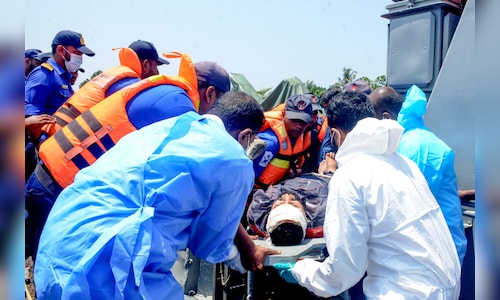
The tragedy unfolded rapidly, leading to the sinking of the IRIS Dena and a desperate rescue effort. Sri Lankan forces recovered a significant number of deceased personnel, with hospital authorities later confirming the grim total of 84 bodies. The initial days were a blur of activity, focusing on recovering remains and providing urgent medical care to those pulled from the wreckage. A total of 32 Iranian sailors from the IRIS Dena were admitted to hospitals, primarily the National Hospital Galle in Karapitiya, suffering from various injuries and trauma.
Among the survivors, a notable development occurred when 22 Iranian sailors from the IRIS Dena were discharged from the hospital. This group, having received critical medical treatment, was subsequently moved under exceptionally stringent heavy security. Official sources confirmed that these individuals were transported by ambulances to the Sri Lanka Air Force facility at Koggala, located outside Galle. This high-security transfer underscores the sensitive nature of the incident and the need to protect the personnel involved, as well as manage any potential security risks or diplomatic sensitivities.
While these 22 sailors discharged security protocols indicated a phase of stable recovery for a significant portion of the crew, another 10 sailors remain under intensive treatment at the National Hospital Galle. Their continued hospitalization suggests more severe injuries or complex medical conditions requiring ongoing care. The well-being of these remaining patients is a priority for Sri Lankan medical teams, who are working tirelessly to ensure their recovery.
Navigating International Law and Forensic Investigations
Sri Lanka's response to this naval disaster has been firmly anchored in its commitment to international law. Foreign Minister Vijitha Herath has explicitly stated that Sri Lanka would adhere strictly to relevant international statutes in managing the situation. This commitment is crucial, especially when dealing with military personnel from another sovereign nation and amidst allegations of international conflict.
A critical phase in the process involved the magisterial inquiry and post-mortems for the 84 recovered bodies. These procedures were meticulously concluded in the southern port town of Galle on March 5. The forensic work was instrumental not only in establishing the cause of death but also in the identification process. Remarkably, survivors were able to identify 80 of the 84 personnel, a testament to the close bonds within naval crews and the thoroughness of the identification efforts. This step is vital for ensuring the dignified return of remains to their families and fulfilling international legal obligations concerning the handling of deceased foreign nationals.
Adherence to international conventions, such as those governing maritime incidents and the treatment of military personnel in distress (like provisions in the Law of the Sea or humanitarian law), is paramount. Sri Lanka's careful approach ensures transparency and maintains its reputation as a responsible member of the international community, especially as it manages a delicate situation involving Iran and, indirectly, the United States.
The Presence of IRIS Bushehr: A Separate Consideration
Adding another layer of complexity to the repatriation efforts is the presence of a second Iranian naval vessel, the IRIS Bushehr, in Sri Lankan waters. Its sailors are currently housed at a naval facility in Welisara, outside Colombo. Unlike the crew of the IRIS Dena, the sailors from the IRIS Bushehr were not directly involved in the torpedo attack but are now effectively stranded due to the broader implications of the incident.
Sri Lanka is yet to make a definitive decision regarding their repatriation. This delay highlights the interconnectedness of these events and the potential for the Bushehr crew's situation to be influenced by the ongoing repatriation hurdles faced by the Dena's survivors and deceased. The logistical challenges, diplomatic consultations, and the overall security climate likely contribute to the prolonged decision-making process for these Iranian sailors.
Repatriation Hurdles: Logistics, Diplomacy, and Security Concerns
The overarching challenge facing Sri Lankan authorities is the repatriation itself. While the legal and medical processes are largely complete for the deceased and many survivors, the actual movement of personnel and remains presents significant practical and diplomatic hurdles. The government has openly stated that the "situation had not improved yet to try sending them by air or sea."
Why is repatriation so difficult in this scenario?
- Logistical Complexity: Transporting 84 deceased individuals, even after identification and post-mortems, requires specialized arrangements for dignified handling and international transit. This includes securing appropriate cargo planes or ships, coordinating with Iranian authorities for reception, and ensuring all customs and health regulations are met. For the surviving sailors, travel arrangements, including visas and security escorts, must be meticulously planned.
- Geopolitical Sensitivity: The incident itself, involving a US submarine and an Iranian vessel, carries significant geopolitical weight. The movement of personnel and bodies could be perceived differently by various international actors, demanding careful diplomatic navigation to avoid escalating tensions or appearing to take sides.
- Security Considerations: The fact that the sailors discharged security measures were so stringent for the initial group highlights the ongoing security concerns. Ensuring the safe passage of the remaining sailors and the deceased requires robust security planning, especially given the allegations surrounding the attack.
- Emotional and Human Factors: Beyond logistics and politics, the human element is profound. Families in Iran await the return of their loved ones. Expediting repatriation, while maintaining dignity and safety, is a humanitarian imperative. Sri Lankan authorities must also consider the psychological impact on survivors and ensure they receive appropriate support before and during their journey home.
Sri Lanka's role as a neutral and responsible nation in the Indian Ocean region is being tested. Its ability to manage this complex situation with transparency, compassion, and strict adherence to international norms will be crucial for regional stability and its own diplomatic standing.
Conclusion
The tragic sinking of the IRIS Dena off Sri Lanka's coast has initiated a multifaceted crisis for the island nation. From the immediate rescue and medical attention for the sailors discharged security and those still hospitalized, to the meticulous forensic identification of the deceased, Sri Lanka has demonstrated a commitment to its humanitarian and international obligations. However, the true test lies in overcoming the significant repatriation hurdles—logistical, diplomatic, and security-related—to safely return both the living and the deceased to their homeland. The presence of the IRIS Bushehr crew further complicates an already sensitive situation. As Sri Lanka continues to navigate these choppy waters, its adherence to international law and its unwavering focus on human dignity will remain the guiding principles in resolving this profound challenge.