IRIS Dena Survivors Discharged Under Heavy Security in Sri Lanka Amidst Geopolitical Tensions
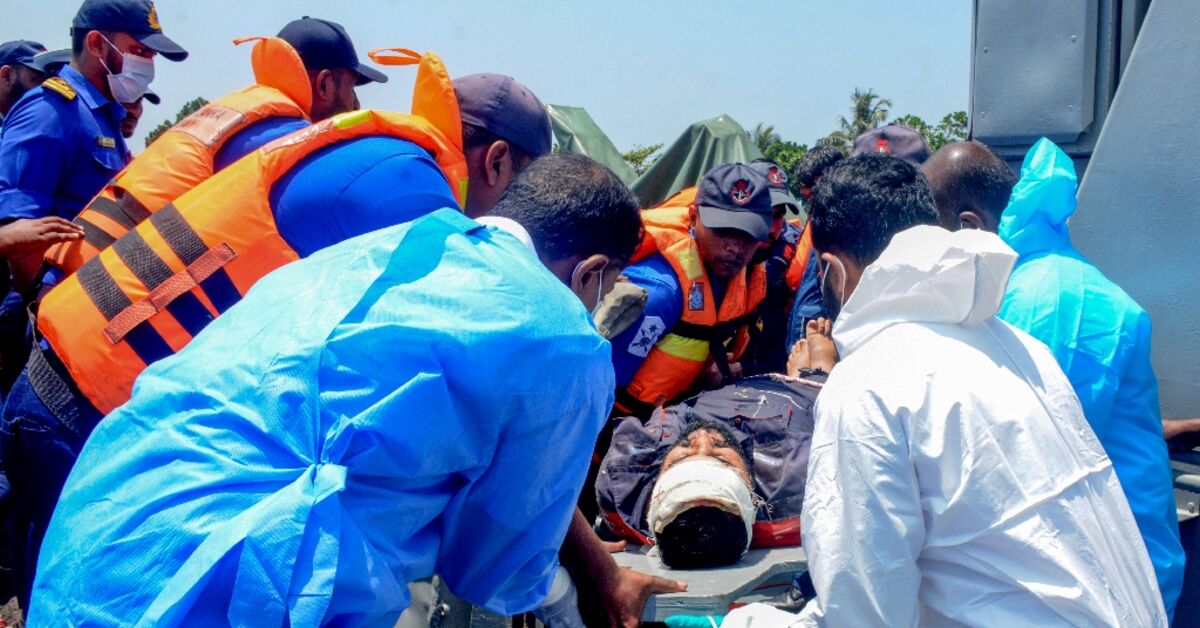
In a development underscoring the delicate geopolitical situation following a devastating naval incident, twenty-two Iranian sailors discharged security protocols from a Sri Lankan hospital on Sunday. These survivors, part of the crew of the Iranian frigate IRIS Dena, which was tragically torpedoed off the southern coast of Sri Lanka, were moved under stringent security measures to a Sri Lanka Air Force facility. The incident has not only brought a humanitarian crisis to the forefront but has also placed Sri Lanka in a sensitive diplomatic position, meticulously adhering to international law as it navigates the aftermath.
The discharge of these crew members marks a critical step in the ongoing response to the disaster. Their journey from the National Hospital Galle in Karapitiya to the Koggala Air Force facility outside Galle was orchestrated with significant precautions, reflecting the high-stakes nature of the event. This measured approach highlights the complex array of challenges Sri Lankan authorities face, ranging from providing urgent medical care to managing the political implications of a major international maritime incident on their shores.
The Humanitarian Response: Care and Protection for Survivors
Immediate Medical Care and Heavily Guarded Transfers
The 22 Iranian sailors, having received initial treatment for injuries sustained during the attack on the IRIS Dena, were deemed stable enough for discharge. Hospital authorities confirmed their release on Sunday, detailing the careful logistics involved in their transfer. Ambulances transported the group, not to a port or airport for immediate repatriation, but to a secure military installation – the Sri Lanka Air Force facility at Koggala. This choice underscores the paramount importance of their safety and the necessity for robust security measures in such a sensitive context. The phrase "heavy security" wasn't merely a formality; it was a critical operational requirement to ensure the well-being of the discharged sailors.
While 22 crew members have been discharged, 10 other Iranian sailors from the IRIS Dena remain under intensive care at the National Hospital Galle. Their continued treatment indicates the varying degrees of injury sustained by the survivors and the sustained commitment of Sri Lankan medical personnel to provide comprehensive care. Ensuring the physical and psychological recovery of all survivors remains a top priority, a humanitarian imperative that transcends international politics. The immediate and effective medical response from Sri Lankan hospitals has been vital in stabilizing the condition of those who miraculously escaped the sinking vessel.
The Critical Role of Security in Sensitive Situations
The decision to deploy "heavy security" for the discharged sailors is multi-faceted. Firstly, it protects the individuals themselves, who are not only survivors of a traumatic event but also personnel from a foreign military involved in a highly controversial incident. Their security could be at risk from various actors or even from public scrutiny. Secondly, it safeguards the integrity of the ongoing investigations. By maintaining control over their movements and access, authorities can ensure that the survivors are protected from undue influence or premature public statements that could compromise future inquiries into the sinking. Lastly, it reflects Sri Lanka's commitment to its role as a neutral host, ensuring that all foreign personnel within its borders are treated with respect and protection, in line with international protocols.
Unraveling the Disaster: The Sinking of IRIS Dena
The Torpedo Attack and its Geopolitical Ripples
The tragedy unfolded when the Iranian frigate IRIS Dena was torpedoed by a US submarine off the coast of Galle. The vessel was reportedly returning home from Visakhapatnam, India, where it had participated in a naval fleet review exercise. This incident immediately escalated into a matter of international concern, highlighting the volatile nature of global maritime security and the potential for flashpoints between major powers. The confirmed involvement of a US submarine adds a layer of complexity and geopolitical tension, requiring careful diplomatic navigation from all parties involved, especially Sri Lanka, which finds itself as the immediate host nation for the survivors and the remains of the deceased.
Naval exercises and fleet reviews are standard international practices designed to foster cooperation and demonstrate naval capabilities. However, when such a mission concludes with an attack of this magnitude, it sends shockwaves through the international community, prompting questions about rules of engagement, freedom of navigation, and the prevention of military escalations. Sri Lanka's Foreign Minister, Vijitha Herath, has publicly affirmed the nation's commitment to strictly adhere to relevant international laws, a crucial stance in maintaining neutrality and upholding its sovereign responsibilities.
The Grim Task of Recovery and Identification
The human toll of the IRIS Dena sinking is immense. Sri Lankan authorities have recovered a staggering 84 bodies of Iranian sailors killed in the attack. This somber task, conducted off the southern coast, has been a testament to the dedication of local search and rescue teams. Following recovery, the arduous process of post-mortems and a magisterial inquiry was concluded in the southern port town of Galle on March 5. A significant breakthrough in this grim process was the identification of 80 of the 84 personnel by the survivors themselves – a harrowing and emotionally taxing experience for those who had just escaped the same fate.
The identification process, often a challenging forensic endeavor, was aided by the direct involvement of the surviving crew members. This not only expedited the process but also provided a vital human connection to those lost at sea. The detailed documentation and investigation surrounding these fatalities are critical for ensuring accountability and providing closure to the families of the deceased. This phase is also crucial for any potential international inquiries or legal proceedings that may arise from the incident, making the thoroughness of the Sri Lankan authorities' work paramount.
Navigating Repatriation: Challenges and International Obligations
Repatriation Hurdles for the Deceased and Remaining Crew
Despite the conclusion of post-mortems and identification, the repatriation of the bodies of the 84 deceased Iranian sailors presents significant logistical and diplomatic hurdles. Sri Lankan authorities have indicated that the situation has not yet improved sufficiently to attempt sending them by air or sea. This suggests ongoing challenges perhaps related to diplomatic clearances, transportation logistics for a large number of remains, or even the prevailing security conditions that necessitated the heavy security around the sailors discharged security measures.
Further complicating the situation are the sailors from the second Iranian ship, IRIS Bushehr, which was also part of the naval fleet. These crew members are currently housed at a naval facility at Welisara, outside Colombo. Sri Lanka is yet to make a definitive decision on their repatriation, indicating the complexity of processing and returning a large contingent of foreign military personnel involved in such a high-profile incident. Each step requires meticulous planning, coordination with Iranian authorities, and adherence to international protocols governing military personnel in a neutral country.
Sri Lanka's Adherence to International Law
Foreign Minister Vijitha Herath's statement regarding Sri Lanka's strict adherence to relevant international laws is a cornerstone of the nation's approach to this crisis. This commitment is vital for several reasons: it maintains Sri Lanka's standing as a responsible member of the international community, ensures equitable treatment of all foreign nationals involved, and provides a framework for managing the multifaceted aspects of the situation – from humanitarian aid to potential diplomatic fallout. International maritime law, laws concerning the treatment of shipwrecked mariners, and conventions on the handling of deceased personnel are all likely to be central to Sri Lanka's decisions.
By upholding these legal frameworks, Sri Lanka aims to depoliticize its immediate humanitarian response as much as possible, focusing on its obligations irrespective of the geopolitical tensions surrounding the incident. This commitment also allows Sri Lanka to act as a neutral intermediary, facilitating communication and cooperation between Iran and other involved parties, ensuring that the process of recovery, identification, and eventual repatriation proceeds smoothly and respectfully.
Beyond the Headlines: Broader Implications and Future Steps
Supporting Survivors and Ensuring Their Safe Return
The welfare of the discharged sailors, and indeed all Iranian personnel currently in Sri Lanka, extends beyond immediate medical treatment. The psychological impact of surviving a torpedo attack and witnessing the loss of comrades is profound. Long-term support, including psychological counseling, will be crucial for their recovery. The security provided to the sailors discharged security protocols is not just for their physical protection but also to ensure they can recover without undue external pressure or media intrusion. Facilitating their safe and dignified return to Iran, once all diplomatic and logistical hurdles are cleared, will be the ultimate goal. This will involve careful coordination to ensure their journey home is as seamless and secure as possible, allowing them to reunite with their families and begin the healing process.
The Diplomatic Tightrope Walk
For Sri Lanka, this incident represents a significant diplomatic challenge. As a non-aligned nation, maintaining neutrality while managing the aftermath of an attack involving two major global players (Iran and the US) requires extreme tact. Sri Lanka's actions are being closely watched by the international community. Its handling of the survivors, the deceased, and the ongoing investigations will set a precedent for how a neutral state manages such complex international incidents on its territory. The emphasis on international law and humanitarian principles serves as a guiding light through this intricate diplomatic tightrope walk, protecting Sri Lanka's own sovereignty and reputation.
The discharge of 22 Iranian sailors from the IRIS Dena under heavy security in Sri Lanka marks a critical chapter in the unfolding tragedy of the torpedoed frigate. While immediate humanitarian needs are being addressed, the larger issues of repatriating the deceased, determining the fate of the remaining crew members, and navigating the complex geopolitical implications continue to challenge Sri Lankan authorities. The incident serves as a stark reminder of the fragile nature of maritime security and the profound human cost of international tensions, underscoring the vital role of neutral nations in providing humanitarian aid and upholding international law amidst global crises.