Post-Torpedo Attack: 22 Iranian Sailors Discharged from Hospital Amidst Heightened Security
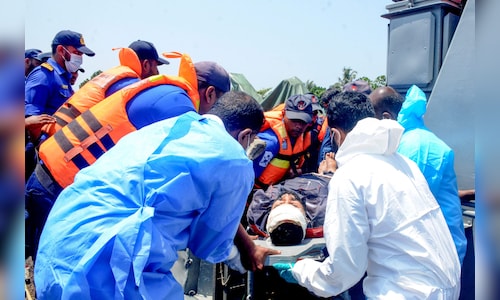
The international community continues to monitor the unfolding humanitarian and geopolitical situation following the devastating torpedo attack on the Iranian frigate IRIS Dena off the coast of Sri Lanka. In a critical development, 22 Iranian sailors, survivors of the attack, have been discharged from a Sri Lankan hospital, embarking on the next phase of their journey under exceptionally stringent security measures. This incident, which claimed the lives of dozens and left many wounded, has highlighted the profound human cost of maritime conflicts and the complex diplomatic challenges faced by host nations.
The IRIS Dena, reportedly torpedoed by a US submarine, was returning from a naval fleet review exercise in Visakhapatnam, India, when tragedy struck. The aftermath has seen Sri Lankan authorities working tirelessly to manage the crisis, providing medical aid, conducting extensive recovery operations, and navigating the intricate legal and diplomatic landscape surrounding such a significant international incident. The discharge of these initial survivors marks a pivotal, albeit somber, milestone in the ongoing efforts to address the repercussions of this catastrophic event.
The Aftermath: A Critical Discharge Under Heavy Security
On Sunday, hospital authorities confirmed the discharge of 22 Iranian sailors from IRIS Dena. These individuals, having received initial medical treatment for their injuries, were transported from the National Hospital Galle in Karapitiya to the Sri Lanka Air Force facility at Koggala, located outside Galle. The journey itself was notable for the heavy security presence that accompanied the ambulances. This deployment of substantial security personnel underscores the sensitive nature of the incident and the potential for heightened tensions, ensuring the safety and secure transit of the surviving crew members. The need for such rigorous protection reflects not only the vulnerability of the sailors but also the broader geopolitical implications of the attack itself. For more details on the security measures, readers can refer to our previous coverage:
IRIS Dena Survivors Discharged Under Heavy Security in Sri Lanka.
While 22 sailors have been discharged, the medical response continues for others. Another 10 sailors from the IRIS Dena remain under critical care and treatment at the National Hospital Galle. Their continued hospitalization suggests more severe injuries or complex medical conditions requiring ongoing attention, a stark reminder of the varying degrees of trauma sustained in such an ordeal. The rapid medical response and subsequent care provided by Sri Lankan healthcare professionals have been crucial in stabilizing these survivors. Managing an influx of casualties from a major maritime incident presents significant logistical and medical challenges, requiring swift coordination between emergency services, hospitals, and diplomatic channels.
Repatriation Challenges and International Law
The humanitarian crisis extends beyond the immediate care of survivors. Sri Lankan authorities have reported the recovery of 84 bodies of Iranian sailors killed in the attack. The grim task of identification and preparation for repatriation has been a primary focus. On March 5, magisterial inquiries and post-mortems for all 84 bodies were concluded in the southern port town of Galle. Remarkably, 80 of the 84 personnel were identified by the surviving sailors, a testament to the close bonds forged among naval crews.
However, the repatriation process itself is fraught with difficulties. Sri Lankan officials have stated that the situation has not yet improved sufficiently to attempt sending the bodies by air or sea. This assessment likely takes into account various factors, including the logistical complexities, the sheer number of bodies, the specific requirements for international transportation of human remains, and potentially the prevailing safety or diplomatic climate. Foreign Minister Vijitha Herath has affirmed Sri Lanka’s commitment to strictly adhere to relevant international laws in dealing with the situation. This adherence is crucial not only for upholding humanitarian principles but also for navigating the delicate diplomatic balance involved in an incident with such significant international ramifications. The process of repatriating such a large number of deceased personnel involves meticulous planning, coordination with the deceased's home country, and often requires specific diplomatic agreements and logistical support. These efforts underscore the complex web of challenges Sri Lanka faces, as further explored in our article:
Sri Lanka Faces Repatriation Hurdles for Iranian Navy Sailors.
The Broader Context: Naval Exercises and Geopolitical Tensions
The IRIS Dena was participating in a naval fleet review exercise in Visakhapatnam, India, prior to the attack. This detail places the incident within the broader context of international naval cooperation and regional maritime security. Naval exercises are routine for many nations, aimed at enhancing interoperability, showcasing capabilities, and fostering diplomatic ties. However, the subsequent attack tragically transformed a routine mission into a point of international contention and a humanitarian disaster. The explicit claim of the ship being torpedoed by a US submarine adds a significant geopolitical layer, raising questions about international maritime conduct, rules of engagement, and potential escalation of tensions in the region. Such incidents invariably draw attention to the delicate balance of power and the constant need for diplomatic dialogue to prevent miscalculation.
Furthermore, the crew of a second Iranian ship, IRIS Bushehr, is also involved in this unfolding situation. These sailors are currently accommodated at the naval facility at Welisara, outside Colombo. Sri Lanka is yet to make a definitive decision regarding their repatriation. The presence of the Bushehr crew introduces another facet to the diplomatic and logistical challenges, as their status and future travel arrangements will also need careful consideration under international law and bilateral agreements. Managing the welfare and eventual repatriation of foreign military personnel, especially after a hostile act, demands exceptional diplomatic skill and adherence to established international protocols.
Supporting Survivors: A Look at Post-Traumatic Care
The immediate discharge of 22
sailors discharged security protocols notwithstanding, the long-term well-being of the survivors remains a critical concern. Beyond physical injuries, survivors of such catastrophic events often experience significant psychological trauma. This can manifest as post-traumatic stress disorder (PTSD), anxiety, depression, and other mental health challenges that require sustained support and specialized care. Providing comprehensive psychological first aid and ongoing mental health services is paramount for helping these individuals cope with their experiences and reintegrate into their lives.
For host nations like Sri Lanka, responding to such a tragedy involves not just emergency medical intervention but also establishing frameworks for ongoing humanitarian support. This includes coordinating with the respective embassies and consulates to facilitate communication with families, arrange for necessary follow-up medical care, and ensure a safe and dignified return home. Practical tips for managing such a crisis from a host nation perspective include:
- Rapid Deployment of Medical Aid: Ensuring immediate access to trauma care and specialized medical facilities.
- Robust Security Protocols: Implementing strong security measures for survivors and sensitive locations to prevent further incidents or exploitation.
- Adherence to International Law: Meticulously following conventions and treaties regarding maritime incidents, treatment of foreign military personnel, and repatriation of remains.
- Transparent Communication: Maintaining open and clear communication channels with the affected nation's diplomatic representatives.
- Psychological Support: Offering initial psychological support to survivors and facilitating access to long-term mental health resources.
- Logistical Coordination: Streamlining efforts for identification, preservation, and dignified repatriation of deceased individuals.
Conclusion
The discharge of 22 Iranian sailors from the IRIS Dena, under significant security, marks a complex phase in the aftermath of a devastating torpedo attack. While these individuals begin their journey towards recovery and repatriation, the tragic loss of 84 lives casts a long shadow, underscoring the profound human cost of maritime conflicts. Sri Lanka continues to navigate a challenging landscape, balancing humanitarian responsibilities with adherence to international law and the delicate intricacies of diplomatic relations. The ongoing medical care for 10 other sailors and the unresolved status of the IRIS Bushehr crew further highlight the multifaceted nature of this crisis. As the international community watches, the focus remains on ensuring the well-being of the survivors, achieving dignified repatriation for the deceased, and understanding the broader implications of an incident that has resonated across global maritime and geopolitical spheres.